Reduce Back Pain After Pregnancy
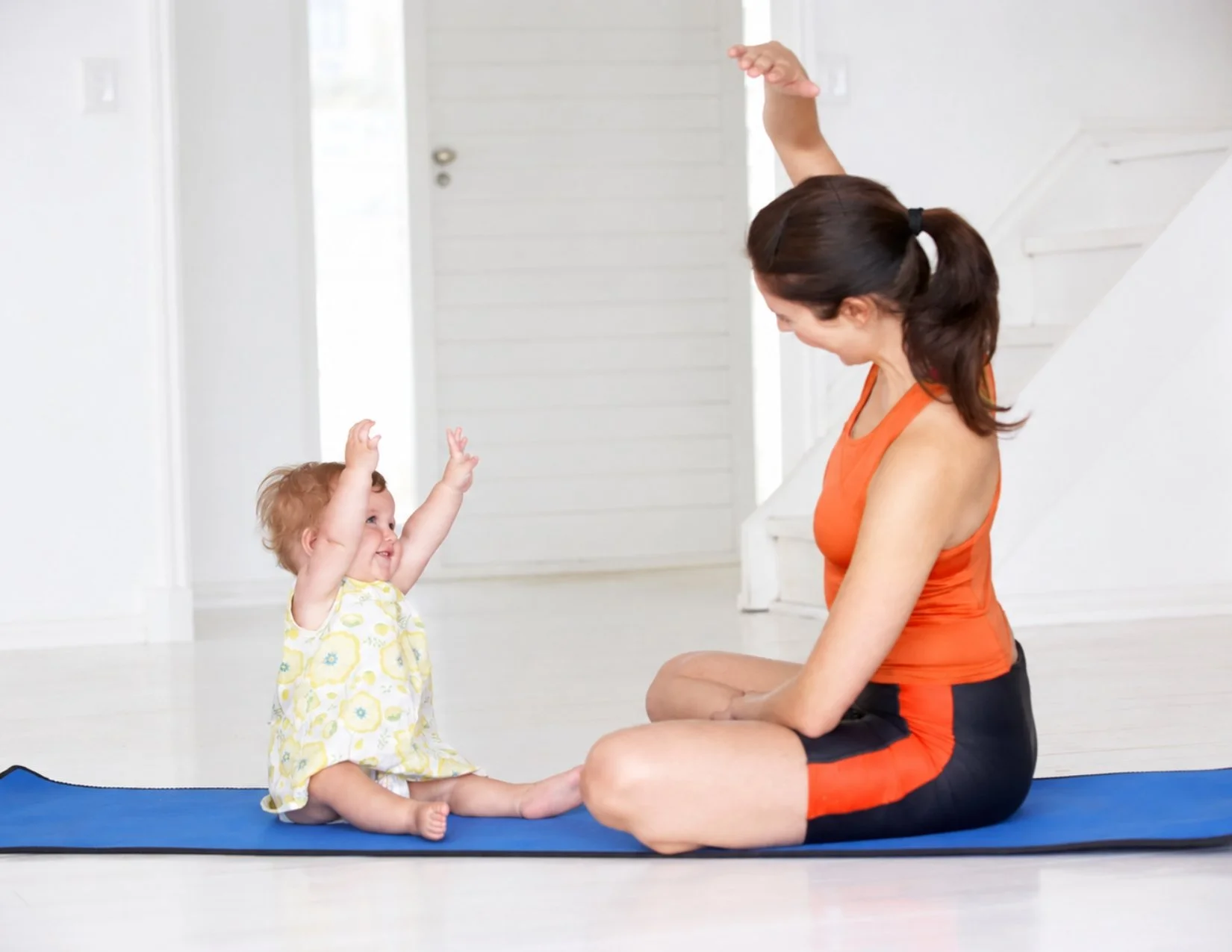
Moving again, gently, is usually what a sore back needs.
Once the baby has arrived, you would think the worst of the discomfort is behind you. For many women, it isn't. Back pain that started in pregnancy can hang on for months, and for some it is still there years later.
Many of the postpartum women who come to us are in their 40s and have had their last baby. What we hear is some version of: I'm done having kids, and it's time to start working on my body. Then their back makes it hard to start.
Back pain that won't settle gets in the way of work, sleep, intimacy, and simply enjoying your family. Painkillers can take the edge off, but they don't change what is causing it. So let's look at what is.
Why Does My Back Still Hurt After Having a Baby?

Back pain is one of the most common complaints of pregnancy, and the changes behind it don't all reverse once the baby arrives. As your pregnancy progressed, your growing uterus stretched and weakened your abdominal muscles, which changed your posture and put more load on your lower back. Hormonal changes affected your ligaments and joints. Labor itself asks a lot of muscles you don't normally use, especially if it was long or difficult.
Then daily life adds its own load. Feeding and carrying a baby means a lot of looking down and leaning forward, which strains your back and neck. Sleep is short, and rest is scarce. And if the abdominal separation that often follows pregnancy never fully closes, your trunk may still be working without its full support at the front.
How long it lasts varies from woman to woman. For many, it eases over a matter of months. For others, it doesn't settle without help, and that is when it is worth getting it looked at.
What Can I Do to Help My Back Pain?

Moving is usually what your back needs, even when it is the last thing you feel like doing. Walking is a good place to start: keep the pace comfortable, keep walks short at first, and build up over time rather than pushing too hard. If you are still recovering from the birth, start when you feel able, and your doctor or midwife has cleared you.
As your back settles, gentle movement can help, such as pelvic tilts and easy back and abdominal exercises. Yoga can help too, and gives you some mental breathing space. Take it slowly and skip the more intense positions, because overstretching can flare lower back pain. Listen to your body. If something hurts, stop.
If your back pain persists, see a physical therapist, who can find what is actually causing it and whether you need treatment.
Everyday Habits That Help

Everyday Habits That Help
Small changes in how you sit, feed, and lift add up.
Sit supported. Slouching loads your lower back. Use a chair or couch that supports you, with armrests where you can.
Bring the baby to you. Whether you breastfeed or bottle-feed, raise your baby toward you rather than hunching down. If nursing leaves your shoulders tense, try different positions; lying on your side is often easiest on the lower back.
Lift with your legs. Bend your knees when you pick things up, especially children, and let your legs do the work of standing back up.
After a C-section, follow your surgeon's lifting instructions, and let someone else carry the heavy things until you are cleared.
Self-Care for Postpartum Back Pain
Looking after yourself matters, even when you are constantly on the move. A heat pad wrapped in a towel can ease sore muscles. If you prefer cold, use a cold pack for 10 to 20 minutes at a time, with at least 40 minutes between applications. A massage can help release tension, and a warm bath before bed can help you unwind.

Physical Therapy for Postpartum Back Pain
At Revive PT & Pilates, every client we work with is a woman over 40, and many come to us after their last baby, ready to work on their own body. Back pain after pregnancy often involves more than the back: your abdominal wall, your pelvic floor, and how your whole core works together. That is what we look at through back pain physical therapy, built around what we find.
Back pain after having children is common, and you don't have to keep living around it.
If you live in or near North County San Diego, start with a Discovery Visit: one 60-minute session with a women's health specialist at our Encinitas studio, and you walk out with a plan built for the body you have now.
No referral needed. No pressure — just answers and a plan.