Back Pain and Pilates: What Every Active Woman Over 40 Needs to Know
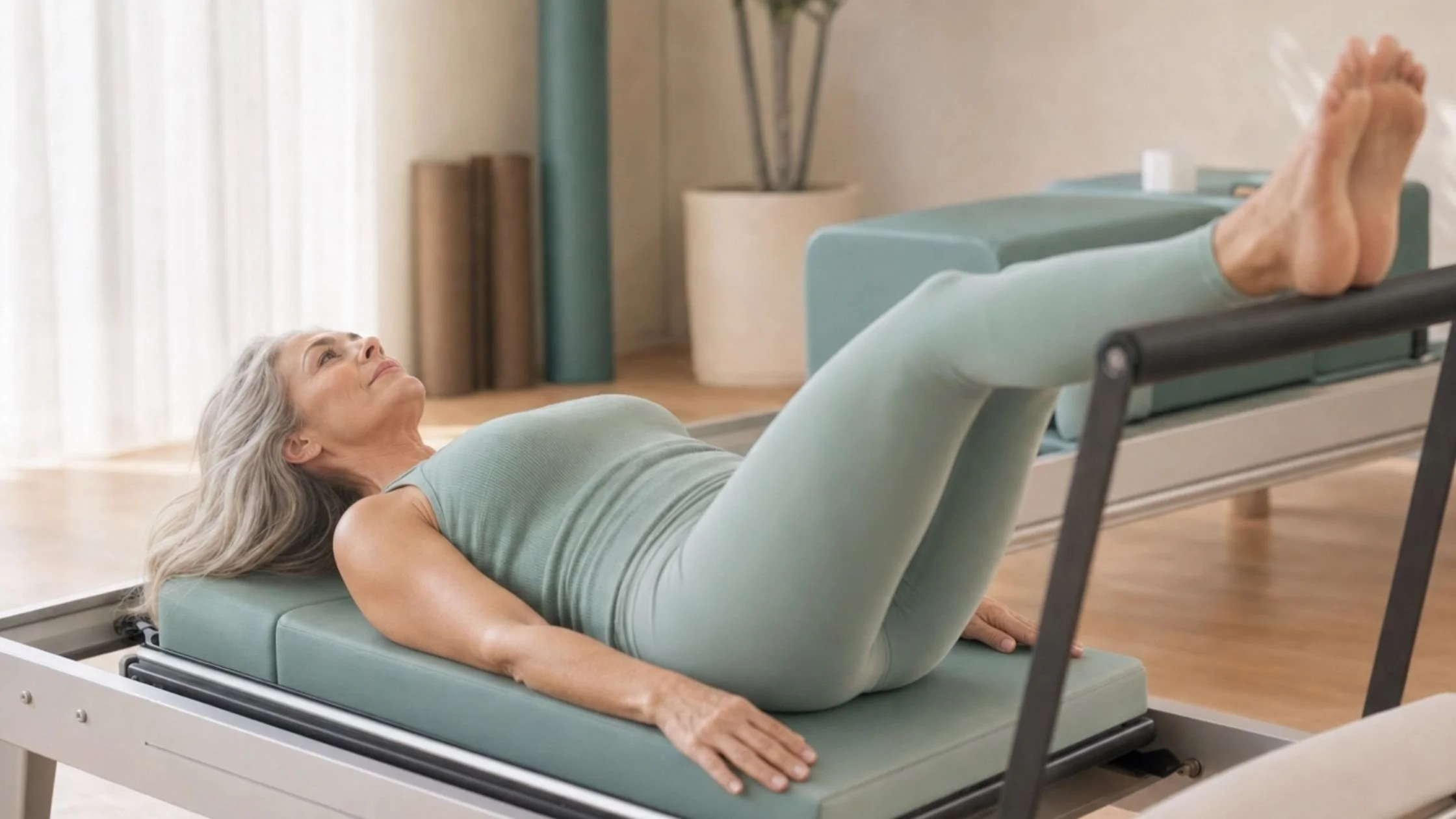
Back pain doesn't have to slow you down. If you're an active woman over 40, Pilates may be one of the most effective tools you have for managing back pain, staying strong, and protecting your spine for the long term.
Whether you're dealing with morning stiffness, a nagging ache after workouts, or pain that keeps coming back no matter what you try — this guide is for you.
Why Back Pain Hits Differently After 40
Back pain is incredibly common. But for women over 40, it can feel more persistent and harder to shake. Here's why:
Hormonal shifts during perimenopause and menopause affect bone density, joint health, and muscle recovery
Years of movement patterns — running, sitting at a desk, lifting, carrying — start to add up
Muscle imbalances that have built up over time begin to create more noticeable strain on the spine
Deep core muscles weaken gradually if they aren't specifically trained
The frustrating part? You can be fit, active, and still struggle with back pain. That's because most forms of exercise don't target the deep stabilizing muscles your spine depends on most. That's exactly what Pilates is designed to do.
Why Staying Active Is Essential
When your back hurts, it's tempting to rest and wait it out. But staying active is one of the best things you can do for back pain relief and prevention.
Gentle, intentional movement like Pilates can:
Increase mobility in the affected area
Reduce muscle tension and stiffness
Strengthen the muscles that support your spine
Improve posture and reduce strain on spinal structures
Help you move more confidently in everyday life
The key is starting at the right level and building gradually — which is why working with a physical therapist makes such a difference.
Not sure where to start? Book a free discovery visit and let's figure out the best approach for your back together.
5 Ways Pilates Can Help With Back Pain After 40
1. Strengthens Your Deep Core
Your core is much more than your abs. It includes the deep stabilizing muscles of your spine, pelvis, and pelvic floor — and these are the muscles that provide real spinal support.
Pilates specifically targets these deep core muscles, helping to:
Reduce existing back pain
Support your spine during movement
Prevent future injuries from occurring
For women over 40, this is especially important. Hormonal changes can affect pelvic floor function and core coordination, making targeted Pilates training even more valuable.
2. Improves Posture and Alignment
Poor posture is one of the most common drivers of back pain — and most of us don't even realize how much our alignment has shifted over the years.
Pilates strengthens and stretches the muscles in your abdomen, shoulders, hips, and back, helping you:
Stabilize your spine more effectively
Reduce compressive load on your vertebrae
Carry yourself with better alignment throughout the day
The result? Less strain, less pain, and better movement overall.
3. Increases Flexibility Where It Matters Most
Tight muscles restrict movement and put extra pressure on your spine. The most common culprits for back pain include:
Tight hip flexors — especially common if you sit for long periods or run regularly
Stiff hamstrings — which pull on the pelvis and alter your spinal curve
A restricted thoracic spine — which forces your lower back to overwork during rotation and bending
Pilates gently and systematically addresses all of these areas, improving flexibility and making everyday movements easier and more comfortable.
4. Enhances Balance and Body Awareness
One of the most underrated benefits of Pilates is what it teaches you about how you move. Through consistent practice, you develop a deeper awareness of your posture, your habits, and how you use your body — in the studio and in real life.
This means you'll naturally start to:
Move in more spine-friendly ways
Catch and correct poor movement habits before they cause pain
Feel more confident and in control of your body
We've explored more of these benefits in our blog on the health benefits of Pilates — it's worth a read if you want the bigger picture.
5. Promotes Mindful Breathing and Recovery
Pilates places a strong emphasis on intentional breathing — and this matters more than most people realize. Proper breathing:
Activates your deep core muscles
Reduces tension held in the back and shoulders
Improves circulation and oxygen delivery to muscles
Supports stress reduction, which plays a real role in pain perception
For active women managing busy lives, this mind-body connection is a powerful part of the healing process.
Therapeutic Pilates vs. General Studio Pilates: What's the Difference?
Not all Pilates is created equal — especially when you're dealing with back pain.
General studio Pilates classes are a great way to stay active and build strength. But if you have persistent or recurring back pain, Therapeutic Pilates — designed and guided by a physical therapist — takes things a step further.
Here's what makes it different:
Your program is built around a thorough physical therapy assessment
Exercises are selected and modified based on your specific condition and history
Progress is monitored and adjusted as your strength and mobility improve
It bridges the gap between treatment and long-term fitness
For women over 40 dealing with back pain, this personalized approach can make all the difference between short-term relief and lasting results.
Ready to explore Therapeutic Pilates for your back pain? Book a free discovery visit and let's build a plan that works for you.
Practical Tips to Get the Most Out of Pilates for Back Pain
Start with an assessment — know what's driving your pain before you begin
Prioritize quality over quantity — ten precise repetitions beat thirty sloppy ones every time
Be consistent — 20 to 30 minutes three times a week creates real, lasting change
Don't avoid movement out of fear — gentle, guided exercise is almost always beneficial for back pain
Be patient — the benefits of Pilates build over time, and that's a good thing
The Bottom Line
Back pain doesn't have to be the price you pay for an active life. With the right guidance and a consistent Pilates practice, it's absolutely possible to reduce pain, rebuild strength, and protect your spine for years to come.
You've already committed to staying active. Let's make sure your back is along for the ride.
How Revive PT & Pilates Can Help You
At Revive PT & Pilates, we understand how back pain can get in the way of the active life you love. Our personalized approach combines physical therapy expertise with targeted Therapeutic Pilates programs — designed specifically around your needs, your history, and your goals.
📅 Book your free discovery visit today and take the first step toward moving with more comfort and confidence.
📞 Call us at (760) 301-5235 to speak with our team.
Disclaimer: This blog post is intended for general informational purposes only and does not constitute medical advice. If you are experiencing back pain, please consult a qualified healthcare professional before beginning any new exercise program.